Re-exam (underlined text is part of the re-exam)
Today we worked on recording new data with the code where we can record with two devices at the same time.
Why did we wanted to work with two devices? One device or one sensor offers only a certain amount of data for detailed movement. One of the goals we wanted to try and achieve is to train the machine to recognise and distinguish between two types of movement. As previously mentioned I do not know much about baseball. For me pitching a ball can be a ball thrown. Going to through the process of recording and trying to train the computer to find the difference between them was a challenge. This is why we thought the data from two devices can be more useful. Next thing was to connect the phones and to record the movements.
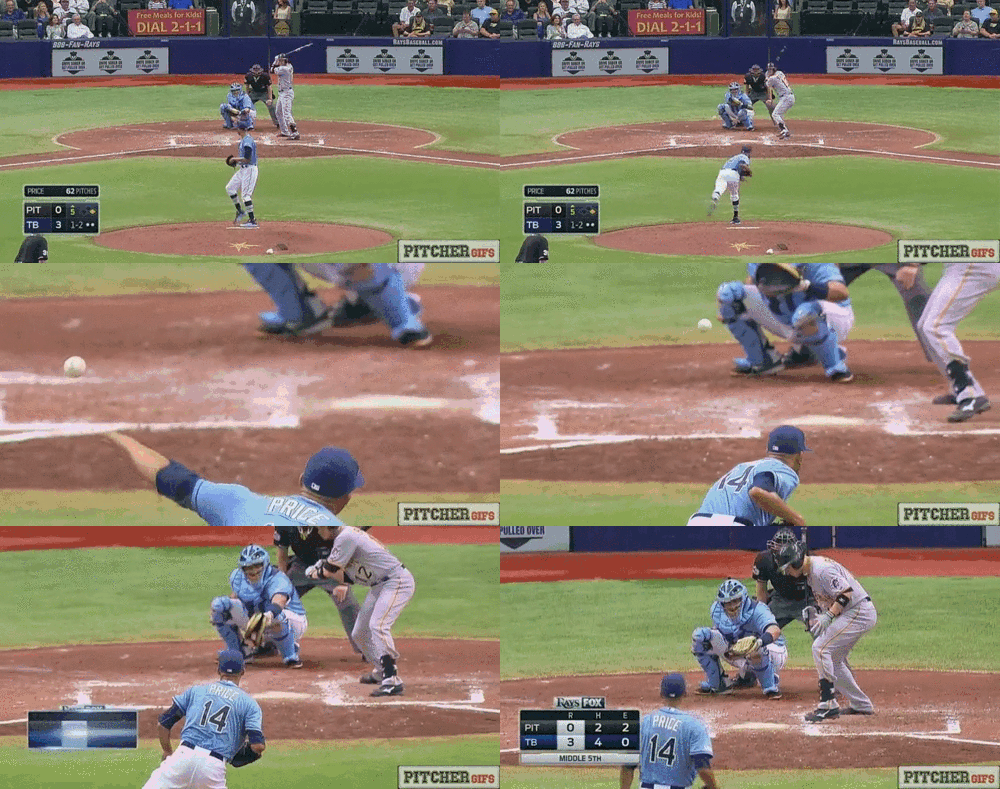
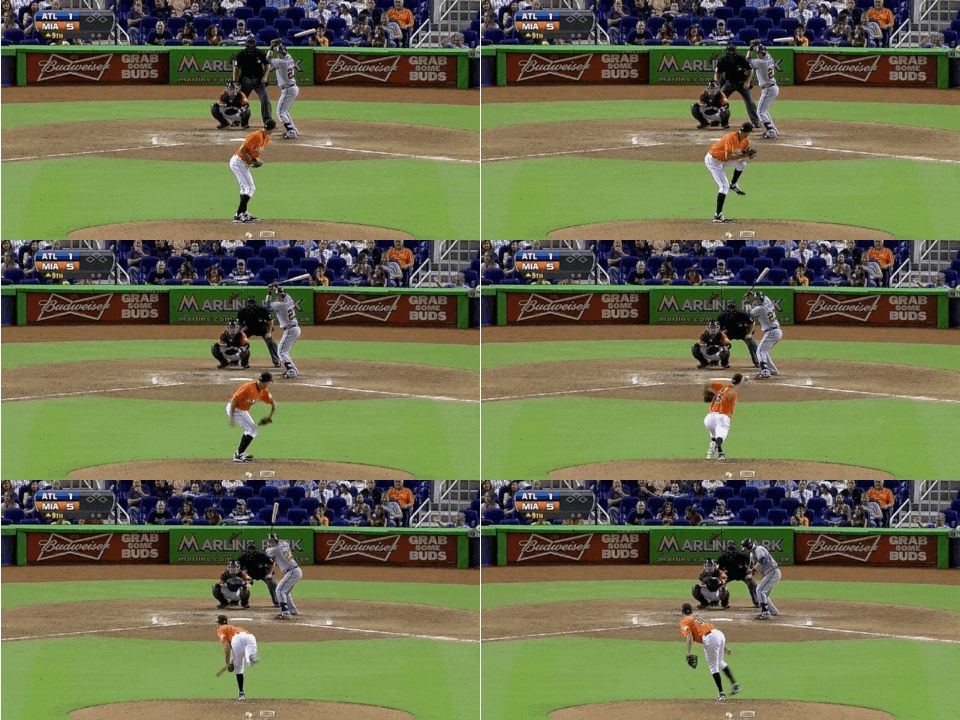
Trying to find second movement was a small challenge. We wanted to find similar yet different movements, which will test if the machine can figure out the difference between the two movements. The first movement was the regular pitch. The second one was called sidearm pitch. If we see the GIF below it shows how the player throws the ball over his shoulder in the first one, while the second one represents the new movement. The difference is not big, from an observer point. Since it’s quick movement can be quite easy to miss or recognise the movement wrongly. After setting up the phones we started recording the data for the Machine Learning.
Before working with the two phones, we focused on recording a separate thigh movements from the move itself. We did not realise that this might be a problem when recording with two phones where the difference between the movements. The data we collected was really bad. The computer was not able to register any movement. This is when we changed the placement of the phones, from being in the upper pocket in the things, we switched them to the arms. The arms offer much better movement, plus it made us to do the movement slowly rather than quickly. One from fear to drop the phones, two to create better recordings.
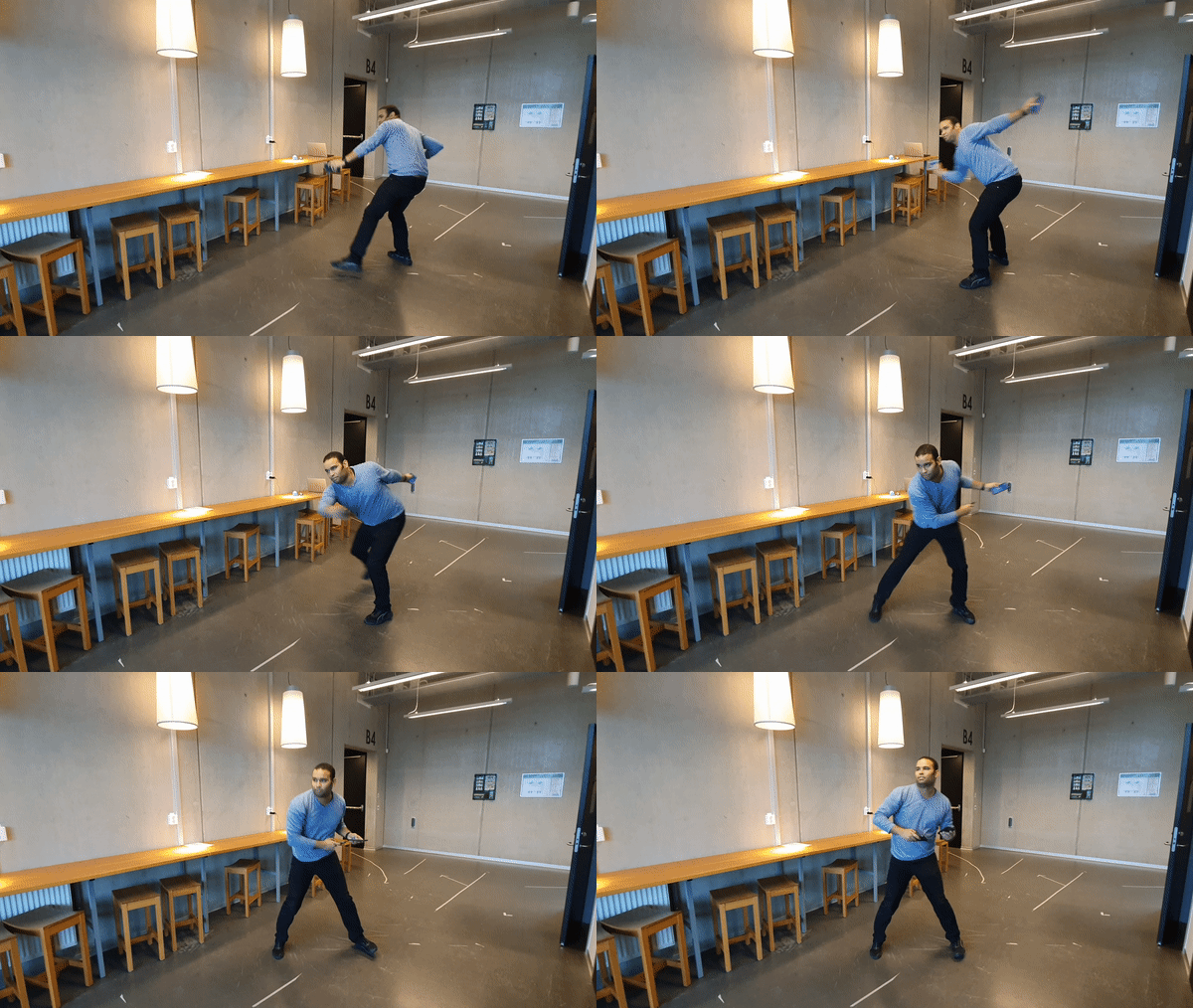
Sadly even when doing the movement slowly it was difficult to record since there were many technical issues. The code would break or it will stop recording, then we had to save the good files with the data and start recording again. Then we had to rename the files so we can train the machine. All things considered we lost a lot of valuable time trying to get the computer recognise and record than learning and experimenting.
Tomorrow we are presenting. I honestly do not think we have done enough for the project or got some findings that were not known before. I do not have much to reflect on about this project except few things that I learned.
- Machine learning
- Data is being imported and the machine learns to predict based on that? It is very fascinating that numbers from sensors can create something like a computer to recognise movements or anything in general.
- The topic was fun to work with and learn but also frustrating. Not knowing how exactly to work with the code can become a challenge to improve. Once the basics are under control it can be fun to work and experiment with
- Types of data
- When we began I had an impression that data is just data. We can put any data from the sensors and it will work, right? Wrong! The quality of the data is important part of the training machine to recognise the correct movements, especially when working with complex movements like pitching.
- Experimenting
- Trying out different things and working with them in combination with machine learning, was fun for us and this project till a certain extend. I do not think we tried enough movements or different topics to record, mostly because of the lack of time and the technical problems. If we ever have a chance of redoing the project, I would like to experiment more and learn more about machine learning.
Questions
In this project, following the paper I have few questions running through my head making me wondering about the topic:
- How can one explain how does one movement feel?
- It was very challenging to describe the movement with words. In one of the papers, the mostly the describe how the movement looks, like ball-like shape or horizontal wall – like movement. Usually when we do movement we might say that it’s comfortable or uncomfortable. The challenge of designing new movement and explaining with words how does it feel was present during this project.
- How can we split the movement into shapes that can be explained with words?
- Another challenge when it came to being reflective about the movement we worked with. When one part of the movement had a distinguish shape it can be easily recognised but sometimes during our project, the shape of the move was unique. This made me wonder how can we describe those special shapes, how can we reflect on them and describe them.
- What does it the difference between the person doing the movements vs the person observing the doer?
- Experiencing the movement by doing it can influence how one person perceives the movement. I’m wondering if there are some other differences that show up between these two?
Overall I believe if I could I would done few things differently and work more with creating actual movement rather than only focus on the technical stuff.


