Re-exam (underlined text is part of the re-exam)
Today Richard suggested for us to work with baseball. He showed me videos in which people pitch the ball in different ways. The videos were from a professional pitcher, a signer and a professional athlete that is not part of the baseball sport. He told me the difference between each movement. Which one is correct and which one is not.

As someone that has zero experience with baseball, I could see the difference but in the end for me those pitches were different ways of throwing the ball. If I analyse the movement based on what I can see, I can separate the movement in the following points:
- Prepare the body in the starting position
- Lift the hands up to your chest
- Left leg is in the front
- the right leg is used to push for more strength
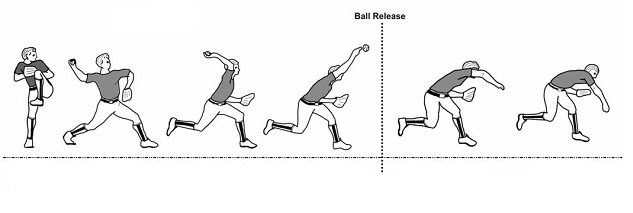
To explore how the movement feels and to try to describe it from the two perspectives ‘the mover’ and ‘the observer’, we tried to do the pitch and record the data for it in the machine. How does it feel to do the movement? What kind of physical demand does the move have? Would it be easier to do the movement slower?
Richard was the one that did the movement, while I focused on the recording and observing in the same time. From my point of few, it seemed as if the movement was mostly present in the arms and the legs. Preparing and throwing the ball seems connected and the whole body works as one unit. Richard did confirm that he used the whole body and even though I couldn’t see it, muscles in the shoulder/neck area were used, same with the core. He did got tired after doing the movement over 20 times, as the recording sometimes crashed and we had to start from scratch.
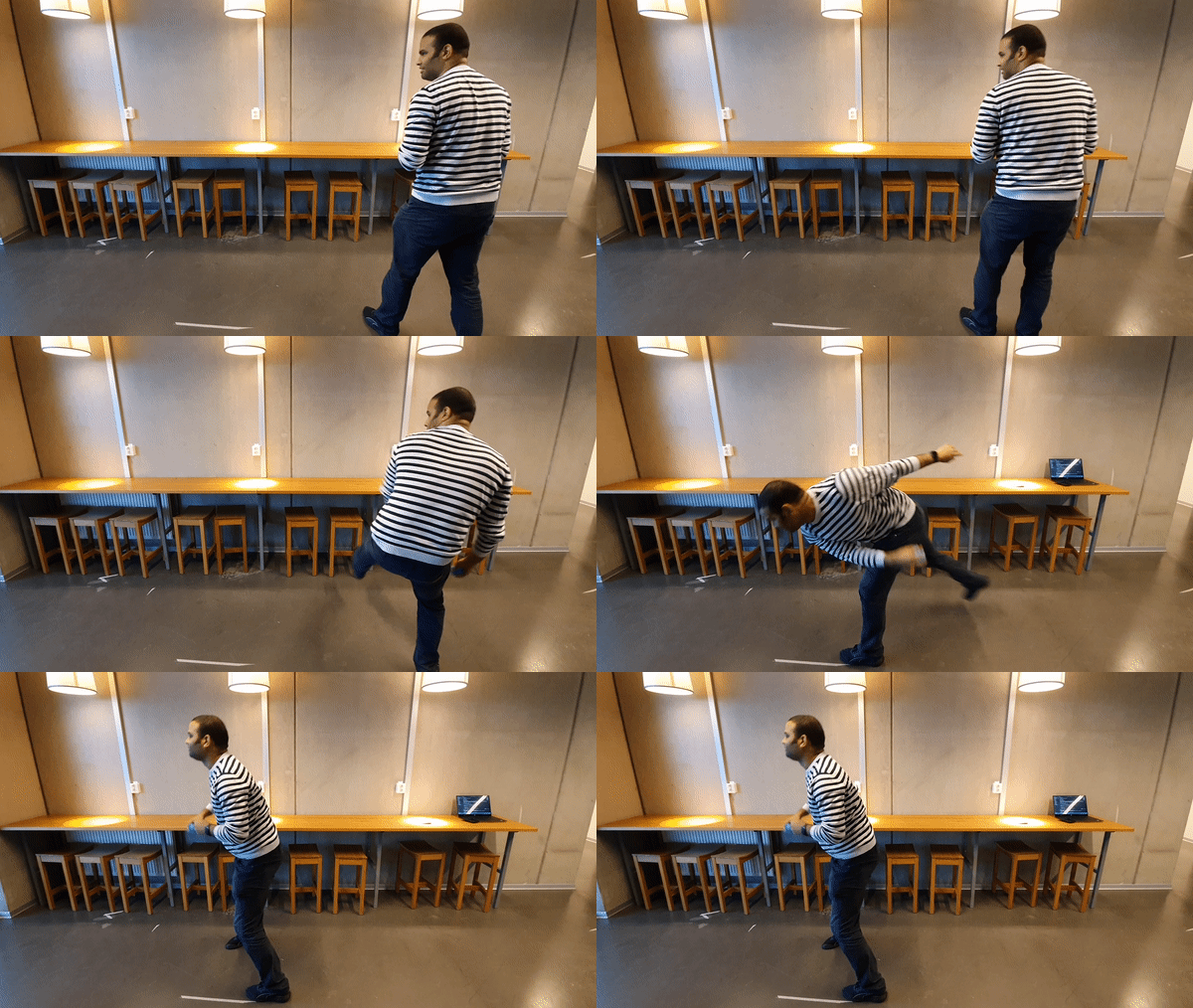
The sensors or the phone was placed in the pocket. Richard had concerns about having the phone in the hand while doing the movement, so we focused more in the data that can be collected from the thing movement. That created a small constraint that did not allow us to focus on the movement as a whole- bodied one rather than only one leg at the time. For the recordings we recorded both legs, first the left thigh then the right one. I suggested, to find a phone holder for running which might allow us to record the arms as well, but there were some challenges in finding a compromise.
In the end we decided to work with the data from the thighs, as Richard wanted to explore if the nuance and the details in the leg movement can be recognised by the machine. Which essentially turned out to be okay and working. The machine did recognise the difference in the right and the left thigh. I would have preferred to have the phone in the arms, as if noticeable there is a lot more movement in the upper body than the legs.

 Pink Prototyping